

Note: Therapist assigned randomly
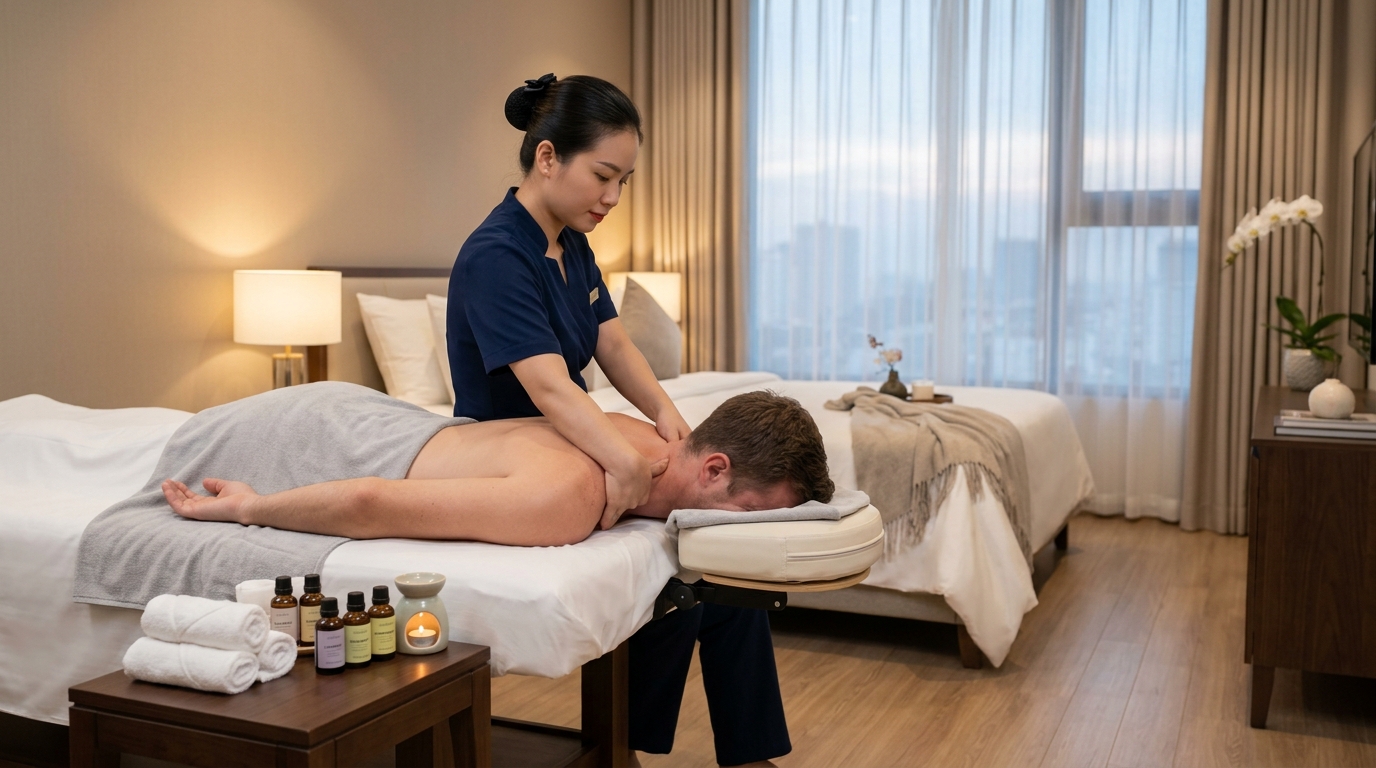
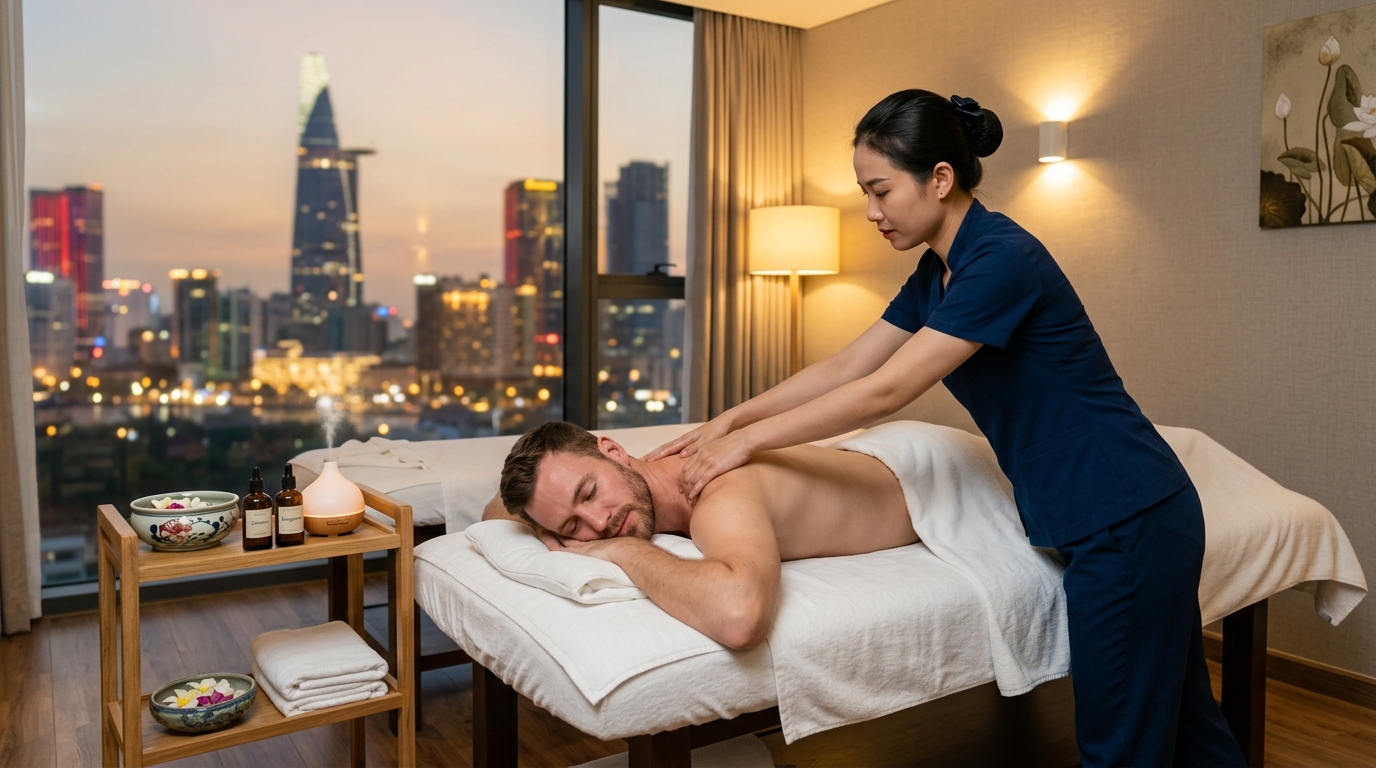
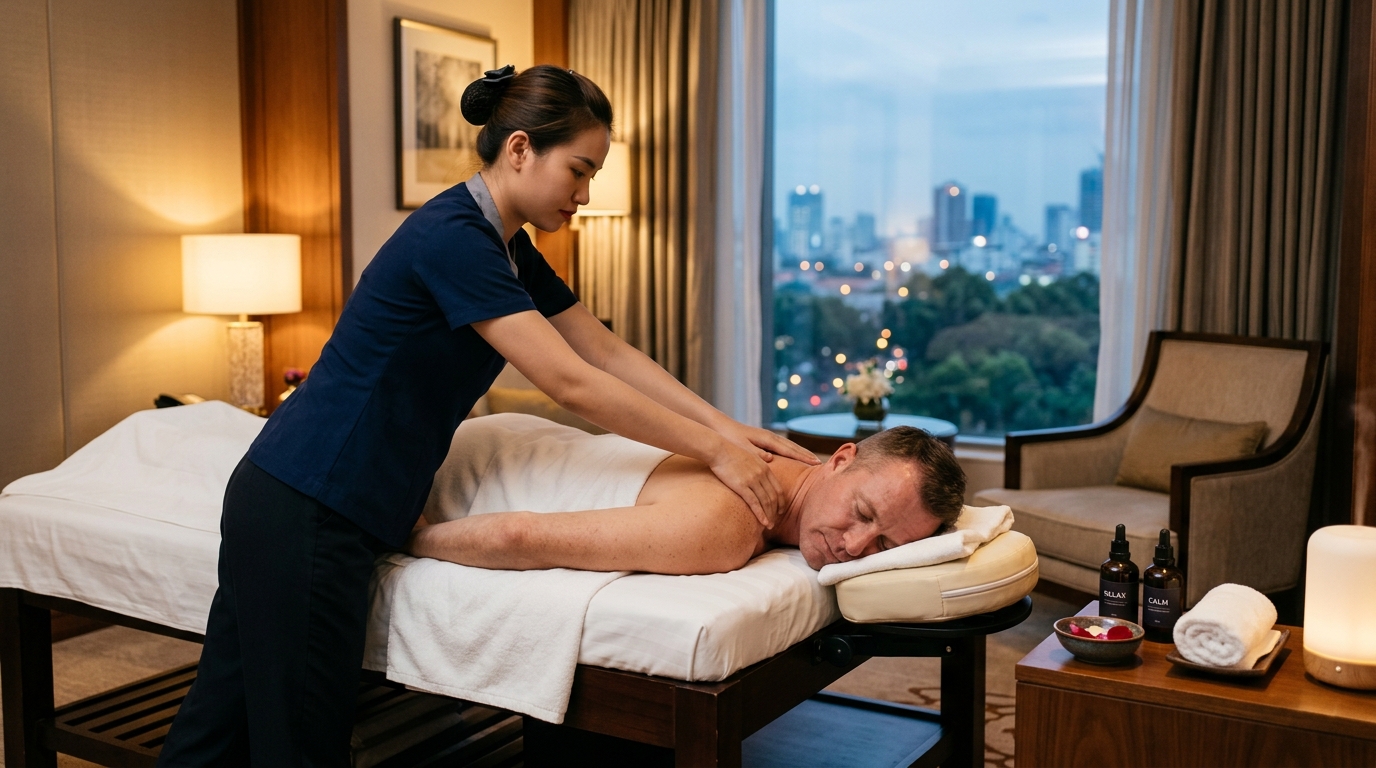
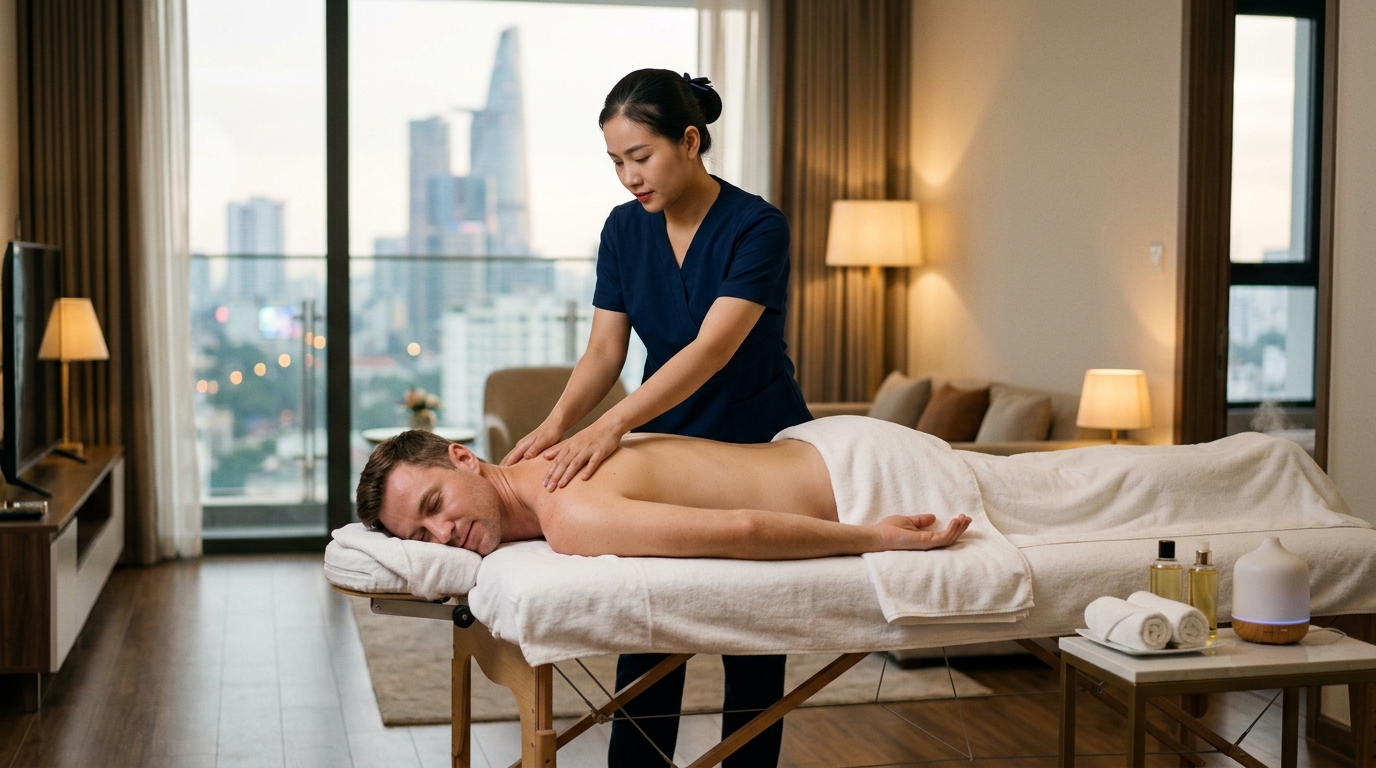
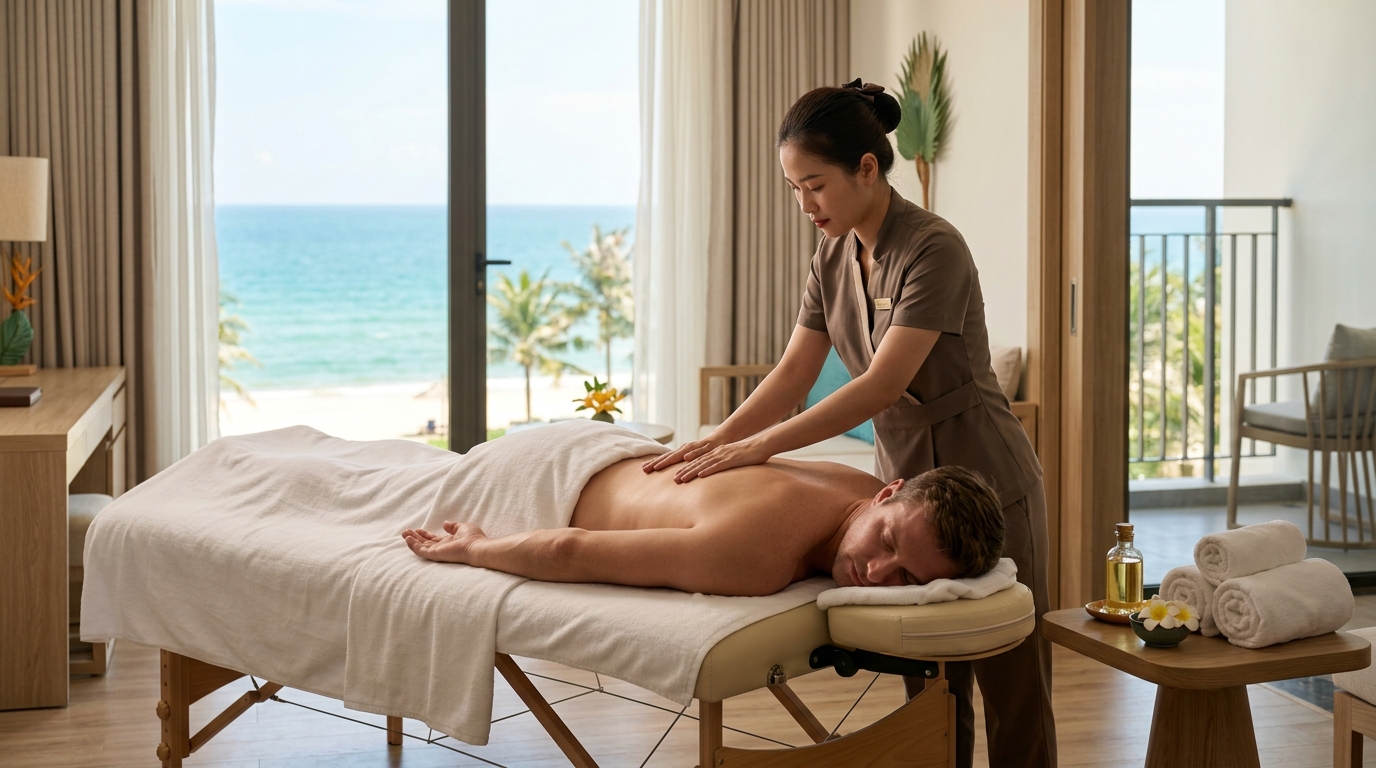
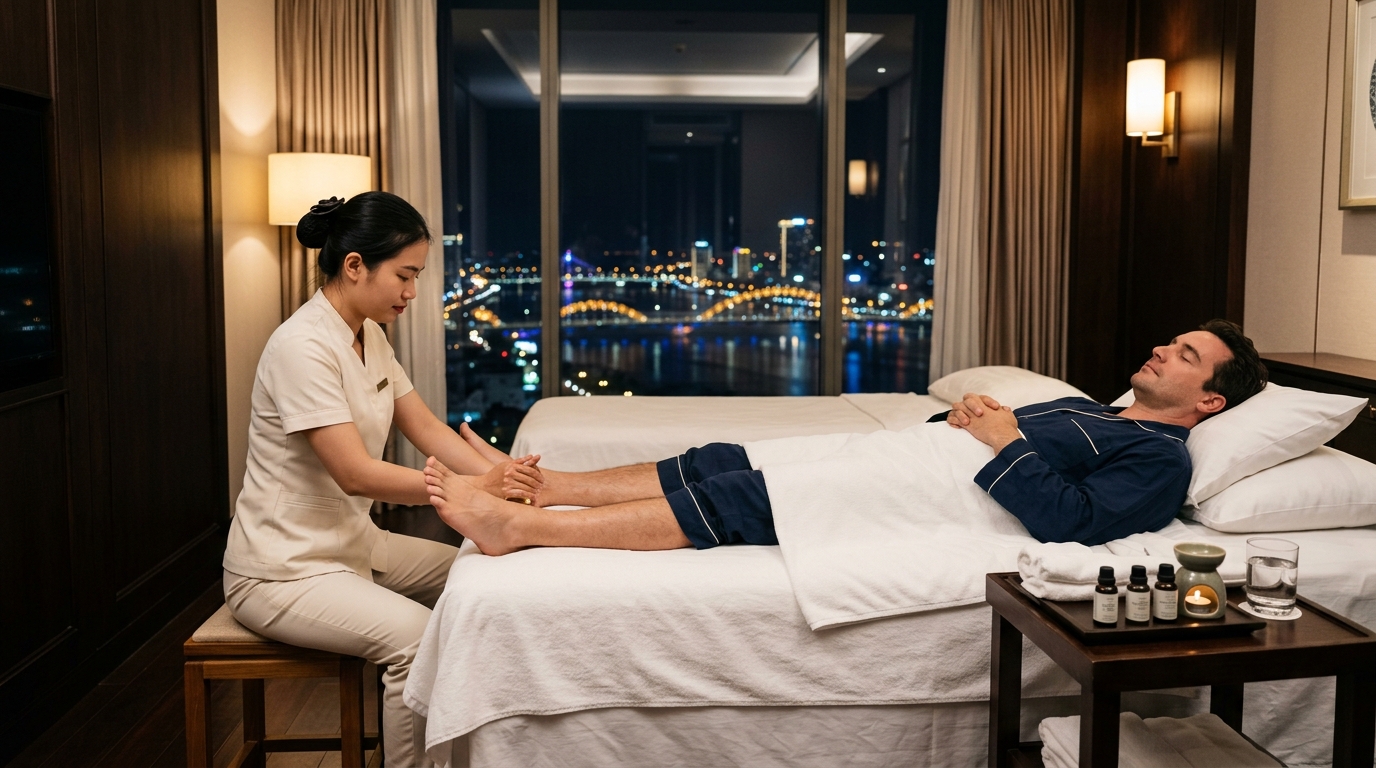
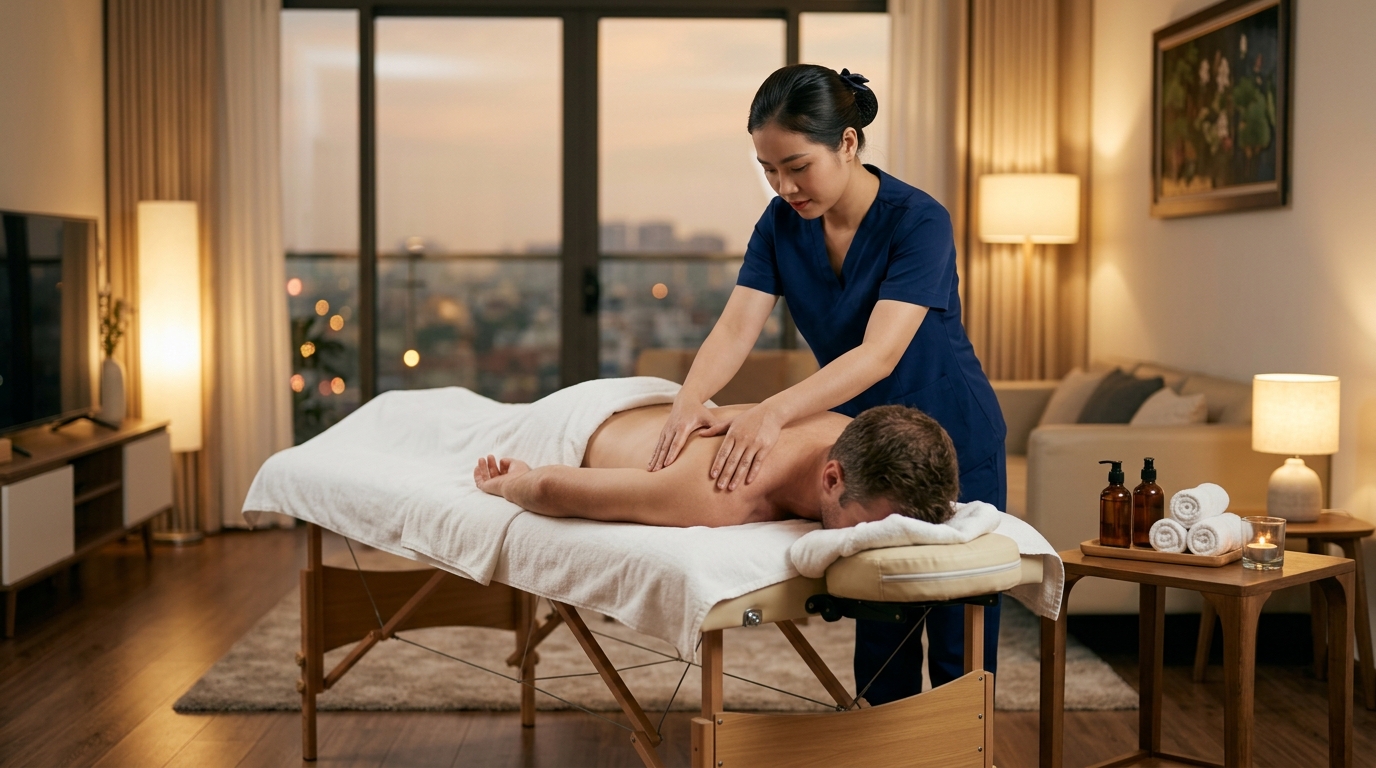
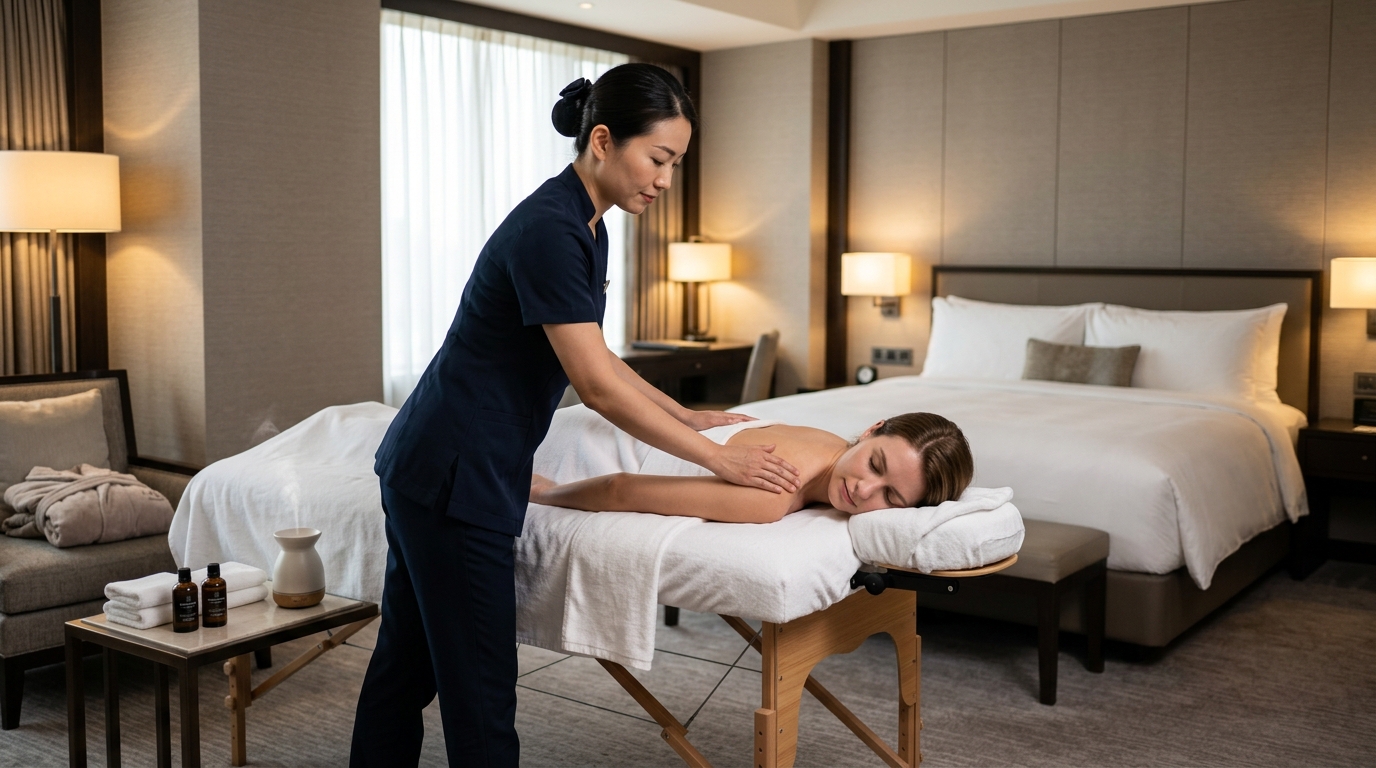
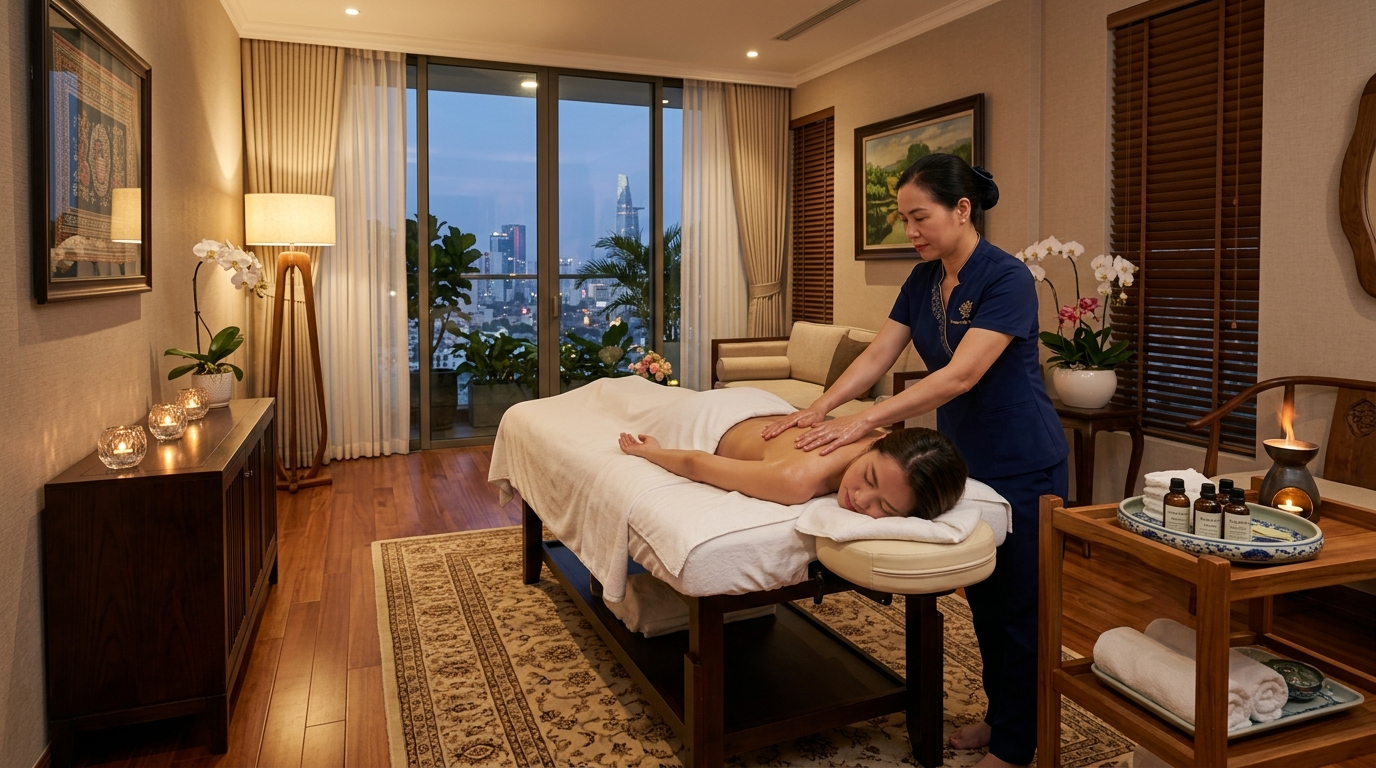
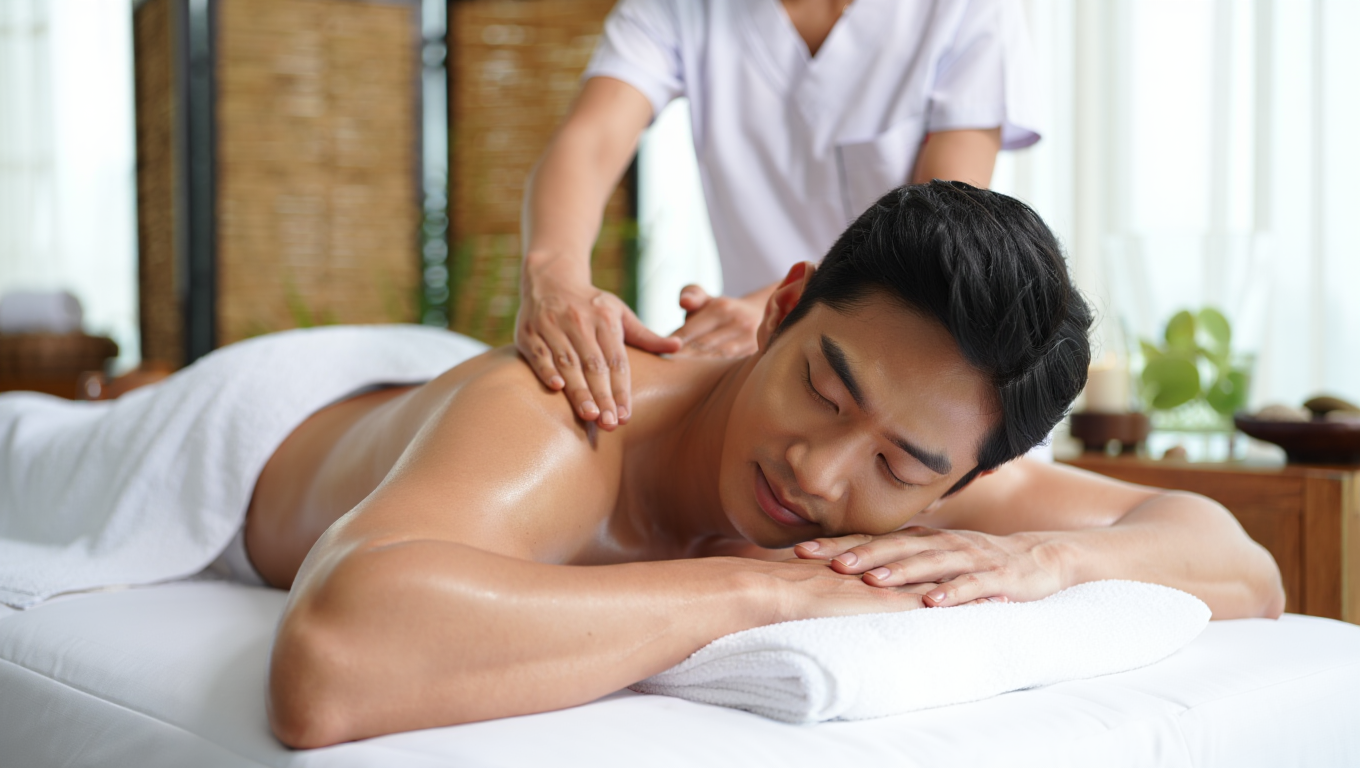
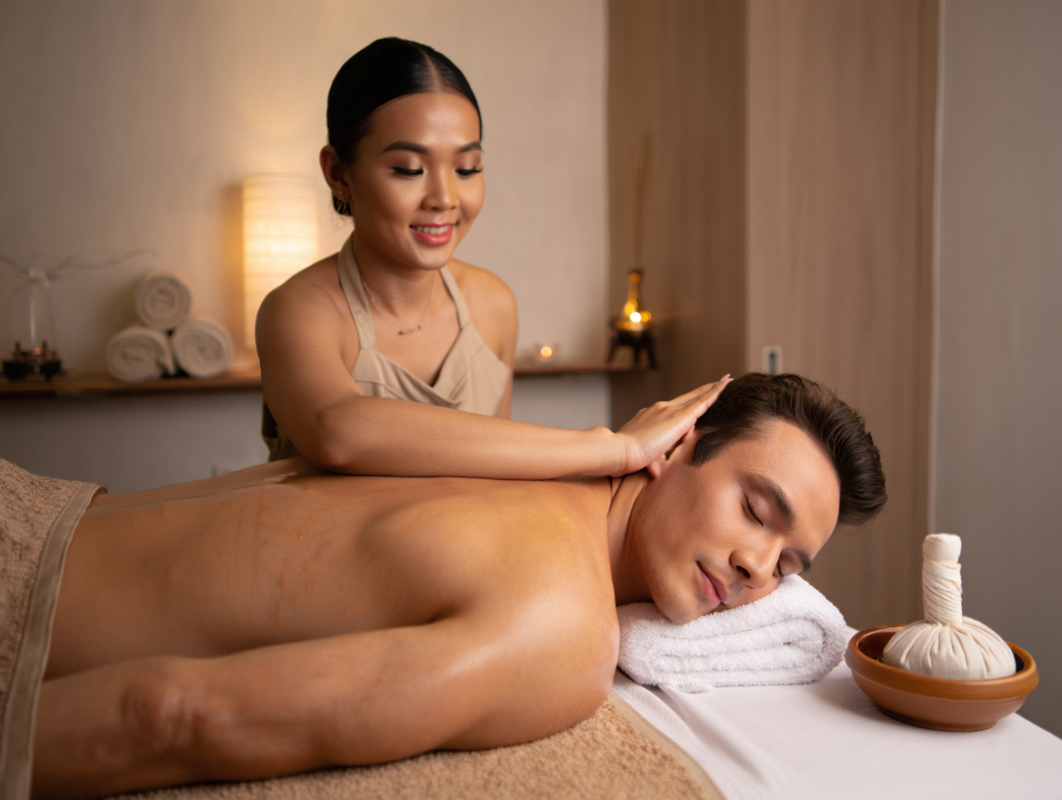
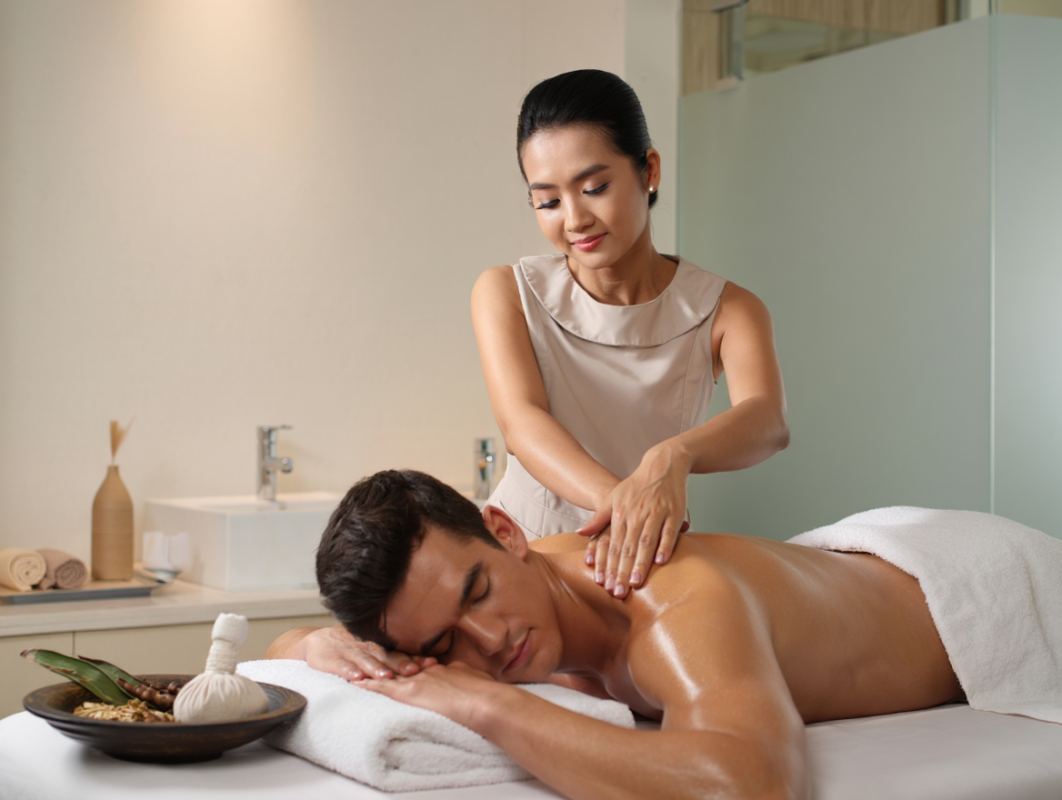
Searching for massage Ho Chi Minh can feel overwhelming—in the best way. Ho Chi Minh City (Saigon) is packed with options: foot reflexology after a long walking day, deep tissue for tight shoulders, aromatherapy for stress, or a luxury spa experience that feels like a mini-retreat.
But here’s the truth: the difference between “okay” and exceptional massage in Ho Chi Minh isn’t price alone. It’s a mix of therapist skill, hygiene standards, communication, service design, and safety. This guide is written with a professional, “spa-consultant” lens—so you can book confidently, avoid common disappointments, and get results you can actually feel.
You’ll also see carefully chosen secondary keywords used naturally for SEO, including: Saigon massage, Ho Chi Minh City spa, Vietnamese traditional massage, foot massage District 1, deep tissue massage Saigon, couple massage Ho Chi Minh, hot stone massage, and reflexology Ho Chi Minh.

Why Massage in Ho Chi Minh City Is So Popular (And Why It Works)
Modern life is noisy—physically and mentally. The World Health Organization notes that mental health challenges affect working-age adults, and that depression and anxiety cost the global economy massive productivity each year.
That’s the backdrop for why people increasingly treat massage not as a “rare treat,” but as preventive self-care.
At the same time, spa and wellness demand continues to grow internationally. ISPA (International SPA Association) research and industry coverage highlight how many regular spa-goers view treatments as meaningful investments in stress reduction and wellbeing.
Now add Saigon’s strengths:
-
Huge variety of massage styles (Vietnamese, Thai, Swedish, Shiatsu-inspired, reflexology, herbal therapies)
-
Options for every budget
-
Many venues built for travelers: central locations, long opening hours, easy booking
-
Strong review ecosystems (platforms like Tripadvisor and booking sites show how actively people search for spa services in HCMC)
Bottom line: massage Ho Chi Minh is popular because the market is large—and when you choose well, the quality-to-cost value can be excellent.

Featured Snippet: Quick Answer (Choose the Right Massage in Ho Chi Minh Fast)
If you only read one section, read this.
✅ Best Massage in Ho Chi Minh: How to Choose in 60 Seconds
Pick a spa that has:
-
Clean treatment rooms, fresh linens, and visible hygiene practices
-
Transparent menu + pricing, no confusing add-ons
-
Clear boundaries and professional service language
-
Strong reviews mentioning therapist technique, not just “nice staff”
-
Ability to match your goal:
-
Stress relief → Swedish / aromatherapy
-
Pain + knots → deep tissue / acupressure
-
Tired feet → reflexology / foot massage
-
Jet lag reset → warm oil + head/neck + foot combo
-
Then book:
-
60–90 minutes for body massage (30 minutes often feels rushed)
-
Ask for pressure level: light / medium / strong
-
Mention injuries, pregnancy, or health concerns upfront

The Most Common Massage Types in Ho Chi Minh (And Who They’re Best For)
Below is a practical breakdown of what you’ll see on menus across Ho Chi Minh City spas.
1) Vietnamese Traditional Massage (Often Includes Acupressure)
This often blends pressing points (acupressure), rhythmic compression, and muscle work. Some places describe it with Vietnamese terminology, but the concept is consistent: focus on energy points + circulation + fatigue relief.
Best for:
-
People who feel “heavy,” stiff, or drained
-
Travelers who walked all day
-
Office workers with neck/upper back tightness
Pro tip: If you’re sensitive, request “medium pressure” first—traditional styles can be intense.
2) Foot Reflexology (Foot Massage Saigon / Reflexology Ho Chi Minh)
Reflexology is extremely popular in Saigon because it’s efficient: you can get real relief without undressing fully, and it pairs well with travel schedules.
Best for:
-
Post-flight swelling or tired legs
-
People doing city tours (District 1 walking days are no joke)
-
Anyone who wants relaxation without a full-body session
What a great reflexology session includes:
-
Warm foot soak
-
Focused work on arch/heel/calf
-
Consistent pressure (not random poking)
-
A calm rhythm, not painful digging

3) Swedish Massage (Classic Relaxation)
If your goal is pure stress relief, Swedish massage is the go-to: long strokes, gentle kneading, and nervous-system calming.
Research in medical contexts supports massage therapy benefits for pain, anxiety, and quality of life in specific populations—evidence varies by condition, but the direction is consistently promising in many systematic reviews.
Best for:
-
First-time massage clients
-
People with high stress and poor sleep
-
Anyone who wants to feel relaxed—not “worked over”
4) Deep Tissue Massage (For Knots, Chronic Tightness)
This targets deeper muscle layers and is often chosen for neck, shoulders, lower back, and glutes.
Best for:
-
Gym-goers, runners, active travelers
-
People with posture-related tension
-
Those who like stronger pressure
Important: Deep tissue should feel like “productive intensity,” not sharp pain. Pain makes muscles guard, reducing effectiveness.
5) Thai Massage (Stretch + Pressure)
Thai massage often includes assisted stretching and compression. You’ll usually wear loose clothing.
Best for:
-
People who feel stiff or immobile
-
Those who love stretching
-
Travelers who want a more energizing reset
Avoid if: acute injury, severe disc issues, or you dislike stretching.
6) Hot Stone Massage
Heated stones help relax muscles faster, making it easier to release tension without extreme pressure.
Best for:
-
People who hate “strong pressure” but still want deep relief
-
Anyone who feels chilled, tight, or overworked
7) Aromatherapy Massage
Uses essential oils (lavender, eucalyptus, lemongrass, etc.) with relaxing strokes.
Best for:
-
Mental fatigue, stress, overstimulation
-
Couples massage experiences
-
Spa-goers who value atmosphere
Safety note: If you have allergies or sensitive skin, ask for a patch test or choose unscented oil.
Massage Ho Chi Minh Price Guide (What’s “Normal” and What’s a Red Flag)
Prices vary by:
-
District (central areas often cost more)
-
Venue type (local shop vs boutique spa vs hotel spa)
-
Duration and add-ons (stones, herbal compress, scrub)
Because pricing can shift over time and by season, use these decision ranges rather than treating them as exact numbers:
-
Budget-friendly: basic foot/body massage in a simple setting
-
Mid-range: boutique spa with strong ambiance + consistent training
-
Premium: hotel spas or luxury wellness spaces with facilities and premium products
Red flags (at any price):
-
No clear menu or duration
-
Refuses to explain what’s included
-
Pushy upsells before you even start
-
Hygiene problems (towels, floors, odors, reused linens)

Where to Go in Saigon: Best Areas for Massage (By Vibe)
You don’t need a single “best street.” You need the right match.
District 1: Convenience + Tourist-Friendly
Best for: foot massage near landmarks, easy booking, late hours
Expect: More English signage, more choice, sometimes higher pricing
District 3: Calmer + Boutique Feel
Best for: relaxed spa spaces and less crowded streets
Expect: A more local-professional mix
Bình Thạnh / Tan Binh: Local Value + Larger Spaces
Best for: people staying near residential zones or the airport
Expect: More “regular client” spas, sometimes bigger facilities
Travel sites and review platforms consistently show wide availability and high demand across HCMC, especially central zones.
The Professional Spa Checklist (Use This Before You Book)
Here’s a practical checklist to identify professional massage services in Ho Chi Minh City—even if you’re booking last-minute.
✅ Hygiene & Facility
-
Fresh linens changed in front of you
-
Clean foot soak basins / disinfected tools
-
Therapists wash hands before service
-
No strong musty odor in rooms
✅ Service Design (This signals training)
-
Intake questions: pressure preference, pain points, injuries
-
Clear time structure: warm-up → focused work → cool-down
-
Consistent rhythm and body mechanics (not random pressing)
✅ Trust Signals
-
Transparent pricing + duration
-
Clear cancellation and booking rules
-
Reviews mention technique, cleanliness, and professionalism
✅ Communication Quality
-
Staff can explain options in simple English (or via menu cards)
-
Therapist checks pressure during the session (“okay?”)

How to Communicate Like a Pro (So You Actually Get the Massage You Want)
Use these phrases—short, polite, and effective:
Pressure & Focus
-
“Medium pressure, please.”
-
“Please focus on neck and shoulders.”
-
“My lower back is sensitive—gentle there.”
-
“No stretching, please.” (if you don’t want Thai-style stretching)
Health Notes (Always disclose)
-
“I have a knee injury.”
-
“I’m pregnant.” (Only book prenatal-trained therapists.)
-
“I have high blood pressure / skin sensitivity.”
During the Massage
-
“A little softer, please.”
-
“A little stronger, please.”
-
“That spot is too painful—move slightly.”
A truly professional massage Ho Chi Minh experience includes these check-ins naturally.
Massage Etiquette in Ho Chi Minh (Tipping, Timing, and Respect)
Tipping (Simple and Stress-Free)
Tipping is common in many massage settings, especially tourist-facing venues, but it varies by place and service model.
Best approach:
-
If you’re happy, tip based on your comfort level
-
If there’s a tip envelope or suggested range, treat it as guidance—not pressure
-
Reward excellent technique and professionalism, not upselling
Timing
-
Arrive 10–15 minutes early if possible
-
Avoid heavy meals immediately before deep work
-
If you’re short on time, choose foot reflexology over a rushed full body session
Respect & Safety
A professional spa maintains clear boundaries. If anything feels off, leave and choose another venue—Saigon has plenty of options.
What Makes a Massage “High Quality” (Beyond Just Feeling Good)
A great massage has results you can measure:
-
Looser neck rotation
-
Reduced headache tension
-
Calmer breathing
-
Less jaw clenching
-
Better sleep that night
Clinical research across contexts has linked massage therapy to improvements such as reduced pain/anxiety and quality-of-life benefits in certain populations, though outcomes depend on condition, technique, and frequency.
The 3 Signs You Chose the Right Therapist
-
They warm up tissue before going deep
-
They work with your breathing, not against it
-
You feel better the next day, not bruised and wrecked
The Best Massage Plan for Different People (Choose Your “Massage Recipe”)
If You’re a Traveler With Jet Lag
-
60–90 min: gentle oil massage + scalp/neck focus
-
Add-on: foot reflexology
-
After: water + light walk + early sleep
If You’re an Office Worker With Neck/Shoulder Pain
-
60 min deep tissue (upper back + scapula + neck)
-
Ask for posture support tips after
-
Repeat weekly for 3–4 weeks for best results
If You Walked 20,000 Steps Today
-
Foot reflexology + calf work
-
Optional: hot stone for calves
-
Finish with gentle stretching
If You’re a Couple (Couple Massage Ho Chi Minh)
-
Choose aromatherapy or Swedish
-
Ask for “same room, same start time”
-
Prioritize ambiance and therapist consistency over “cheapest”
Add-On Treatments You’ll Commonly See (And Which Are Worth It)
Herbal Compress
Warm herbal bundles pressed onto muscles. Great for soreness and relaxation.
Body Scrub
Good before a relaxing massage—less ideal before deep tissue (skin can feel sensitive).
Sauna/Steam (When Available)
Many wellness travelers seek heat therapies as part of reset routines; wellness travel trends continue to grow in the broader spa industry conversation.
Safety Notes (Read This If You Have Medical Conditions)
Massage is generally safe for most people, but you should consult a clinician before massage if you have:
-
Blood clots / clotting disorders
-
Severe osteoporosis
-
Uncontrolled high blood pressure
-
Fever or contagious illness
-
Recent surgery (unless medically cleared)
-
High-risk pregnancy (seek prenatal specialists only)
If a therapist is professional, they’ll welcome safety questions.
How Often Should You Get Massage at home in Ho Chi Minh?
If you’re in Saigon for a short stay:
-
1st session: recovery + relaxation
-
2nd session: targeted deep work (neck/shoulders/low back)
-
Optional 3rd: foot reflexology + gentle oil
If you live in HCMC:
-
Stress management: every 2–4 weeks
-
Pain/tension pattern: weekly for 3–6 sessions, then maintenance
Common Mistakes Tourists Make (And How to Avoid Them)
Mistake 1: Booking the shortest session
30 minutes often isn’t enough time for proper warm-up + results.
Mistake 2: Not communicating pressure
In many Asian massage contexts, “default pressure” can be strong. Speak up early.
Mistake 3: Choosing based on photos only
A beautiful lobby doesn’t guarantee great technique. Reviews and service design matter more.
Mistake 4: Treating pain as “proof it works”
Pain is not the goal. Effective is the goal.
Mini Glossary: Useful Terms You’ll See on Spa Menus
-
Reflexology: pressure points on feet
-
Aromatherapy: essential oils + relaxation strokes
-
Acupressure: pressure on body points
-
Hot stone: heated stones for muscle release
-
Deep tissue: slower, deeper muscle work
-
Thai massage: stretching + compression
FAQ: Massage Ho Chi Minh (Unique Questions People Don’t Usually Ask)
1) Can I request a “quiet session” with minimal talking?
Yes. Say: “Quiet session, please.” Professional spas are used to this.
2) Is it okay to bring my own massage oil?
Usually yes, but ask first—some spas have policies for hygiene and linens.
3) What if I have tattoos—can therapists massage over them?
Healed tattoos are usually fine. Avoid fresh tattoos, sunburn, or irritated skin.
4) I get ticklish feet—should I avoid reflexology?
Not necessarily. Ask for slower pressure and more calf work. Ticklishness often decreases after warm-up.
5) Can massage help my sleep the same night?
Many people report better sleep after relaxation-focused massage. Evidence across studies suggests massage can reduce stress and anxiety in various contexts, which may support sleep indirectly.
6) Should I eat before a massage?
Avoid heavy meals within 60–90 minutes. A light snack is fine.
7) Can I book massage every day while traveling?
If it’s gentle (Swedish/aroma/foot), many people do. For deep tissue, daily sessions may cause soreness—alternate with lighter treatments.
8) Do “luxury” spas always give better massages?
Not always. Luxury often means ambiance, products, and facilities. Technique quality depends on training and therapist experience.
9) What’s a smart “first session” choice in Saigon?
A 60-minute Swedish or aroma massage + optional foot reflexology add-on. It’s low-risk and helps you judge the spa’s professionalism.
10) What’s the most underrated massage add-on in Ho Chi Minh?
Scalp/neck work at the end—especially if you’re overstimulated from traffic, screens, and travel fatigue.
Final Thoughts: The Smart Way to Book Massage in Ho Chi Minh
The best massage Ho Chi Minh experience is the one that matches your goal—relaxation, recovery, pain relief, or a luxury reset—while meeting real professional standards: hygiene, communication, and trained technique.
If you use the checklists and “massage recipes” in this guide, you’ll avoid 90% of common disappointments and find something Saigon does exceptionally well: high-impact wellness sessions that fit real life.